Ramen
Eat Like a Local Hokkaido
Ramen, Hokkaido’s most famous food. Discover delicious shops loved by locals, along with useful tips to know before you visit.
Know my taste first
FROM THE WRITER
I love thin noodles, so I often find myself choosing tonkotsu ramen. I prefer bold, rich flavours, and I also eat tsukemen regularly.
I’m Tomo, a ski instructor exploring Sapporo’s ramen shops. Here, I share the places I’ve tried and would love international travellers to experience.
I find the overall standard of miso ramen in Sapporo very high, with few disappointing bowls.
Some shops draw long queues after being featured on social media or in the press. But a long queue doesn’t necessarily mean a shop serves the best ramen.
That’s why I hope you’ll look beyond the queues and find a truly delicious bowl that suits your own taste.
That’s the idea behind the shops I recommend here.
Note: The ratings in this article are intended specifically for international travellers and reflect a visitor’s perspective.
Sapporo Miso Ramen: The Big Five
TOP 5
- 1Sapporo Junren
 Worth planning your trip aroundThe original main shop. Piping hot under a layer of lard: the rich bowl that set the template for Sapporo miso.Hiragishi
- 2SumireComing soonCarries on the Junren tradition, and famous all over Japan.Nakanoshima main shop / Susukino
- 3SaimiComing soonSo popular there's almost always a line.Misono
- 4KeyakiComing soonAn independent shop that's easy to reach in Susukino.Susukino
- 5ShingenComing soonPick from two kinds of miso: Shinshu or Echigo.Near Susukino
How it all began
HISTORY
Miso ramen was born in Sapporo in the 1950s and became the city's signature bowl.
- c. 1955
At Aji no Sanpei (Odori), miso ramen is born, inspired by tonjiru (pork miso soup).
- 1964
Akiko Muranaka opens Junren in Nakanoshima (back then the name was read "Sumire"). Its piping-hot rich soup, sealed under a lid of lard, becomes the template for Sapporo miso.
- 1968
Sapporo Ichiban Miso Ramen (instant noodles) takes miso ramen all over Japan.
- 1980s
Junren closes for a while.
- 1989
Her sons carry it on, and the "Jun-Sumi" family gets its two giants:
- Second son: Sumire
- Third son: Sapporo Junren
- 1994
Sumire opens at the Shin-Yokohama Ramen Museum and becomes famous nationwide.
- 2000s
Shops that started out in the Jun-Sumi family go independent and spread.
- Saimi and others
- 2010s–
Tonkotsu, creamy chicken (tori paitan), tsukemen and more arrive in Sapporo.
Hokkaido's Three Regional Styles
Sapporo is known for miso, Asahikawa for soy sauce, and Hakodate for salt.
- Sapporo: Miso
- Rich miso broth. What makes a bowl Sapporo ramen:
- Yellow egg noodles: noodles used to be brownish and darkened easily, so egg was added to make them yellow. Egg firms up with heat, so the noodles don't go soft and soggy.
- Medium-thick, wavy noodles: they pick up the rich broth well.
- Lard on the surface: in a cold place, it keeps the soup from cooling down.
- Asahikawa: Shoyu (soy sauce)
- Soy sauce broth, often mixing pork or chicken stock with seafood stock, under a layer of lard that keeps it hot.
- Hakodate: Shio (salt)
- Clear, light salt broth with thin, straight noodles.
Ordering, eating and tips
HOW TO
How to Order and Eat
- Ticket machine
- Buy your ticket first at the machine by the entrance. Many shops are cash only, so have coins and ¥1,000 notes ready.
- Noodle firmness
- Some shops let you choose: firm, regular or soft.
- Kaedama and half ramen
- Kaedama is an extra serving of noodles only. Half ramen is a smaller bowl.
- Slurping is fine
- Eating noisily isn't bad manners here. When the shop is busy, don't linger after you finish.
- Careful, it's hot
- In Sapporo miso ramen, the layer of lard makes the first sip very hot.
- You don't have to finish the soup
- It's rich, and plenty of people leave some.
- Wavy noodles
- Sapporo's yellow, wavy noodles are made to grab the rich soup.
Glossary
- Chashu
- Slices of braised pork.
- Menma
- Seasoned bamboo shoots.
- Ajitama
- Soft-boiled egg marinated in soy sauce.
- Moyashi
- Bean sprouts.
- Chijire-men
- Wavy noodles, typical of Sapporo.
- Kaedama
- An extra serving of noodles for the soup you have left. Few shops in Sapporo offer it.
- Omori
- Large serving.
- Shokken
- Meal ticket from the ticket machine.
Icons and scores
HOW WE RATE
3F icons
- Worth planning your trip around
- Worth a 30-minute detour
- If you're nearby, you can't go wrong
Scores (S–D)
- Taste
- Hokkaido Feel
- Value for Money
- Access
- Special(always S)
S is the best and D the lowest.
- Access is rated from the Sapporo Station, Odori, and Susukino area. JR trains run less often, so check the timetable.
Most 3F icons first
WHERE TO EAT
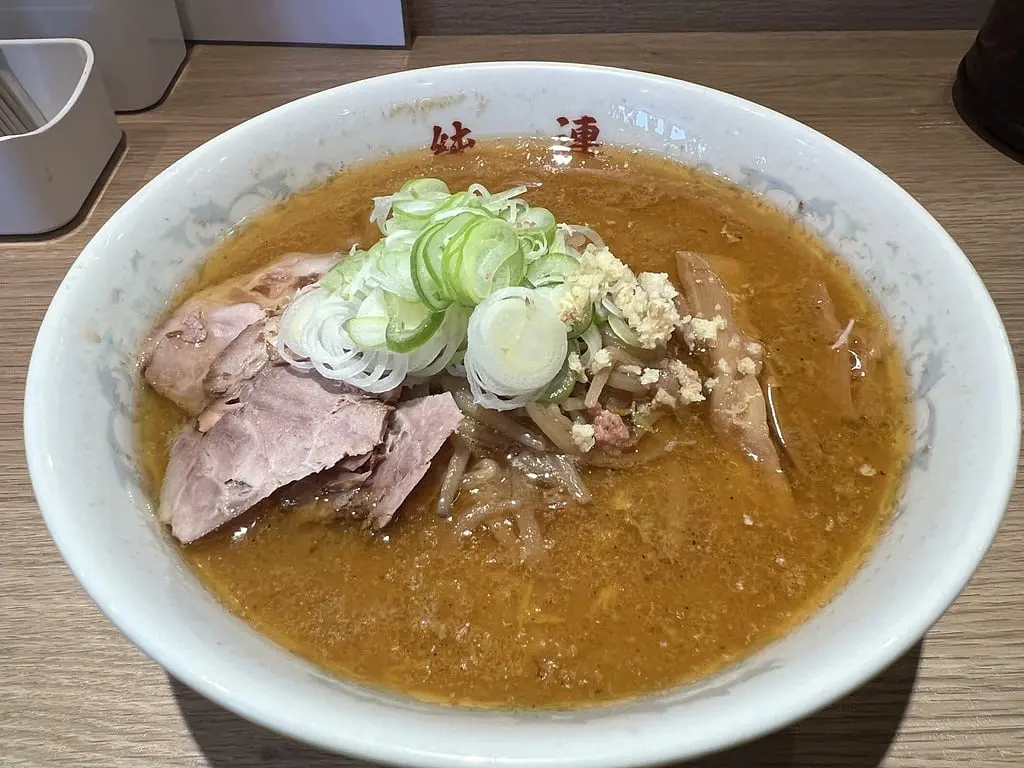 Sapporo Junrenさっぽろ純連 札幌店Sapporo AreaWorth planning your trip around
The main shop of Junren, founded in 1964, which created the original style of Sapporo miso ramen. Together with Sumire, which came later, it is the head of the "Jun-Sumi" family, and it reopened in its current building in 2018.
I arrived at 3:05 pm on a Saturday. The shop was full, with eight people waiting. I got a seat at 3:20, and by about 3:30 there was no one waiting. Most customers seemed to be Japanese tourists; I didn't see any visitors from overseas.
Inside there are 10 counter seats and 2 tables. First, buy a ticket from the machine at the entrance. It's cash only, and there's no English on the machine. Take a seat on the waiting chairs and the staff will come to collect your ticket.
The menu has miso, spicy miso, shoyu, and shio ramen, plus rice dishes and sets. My recommendation: miso ramen, and nothing else.
I was hungry this time, so I ordered the Miso Ramen and Half Fried Rice Set. The soup is quite rich, and under its layer of lard it's hot enough to burn your tongue. It never cooled down, right to the end. The noodles are the yellow egg noodles typical of Sapporo. The bean sprouts soak up the soup, and there's ground pork and menma too. You get about two slices of chashu, tender and richly seasoned. Grated ginger sits on top; I started eating from the other side and stirred it in later for a change of flavor. The ginger taste is gentle.
The half fried rice is about one rice bowl. The rice is on the firm side and tasty, but with such a rich ramen, the set was a little too heavy. Next time it's miso ramen with plain rice.
I gave it three stars because, as a fan of tonkotsu, thin noodles, and rich flavors, this is exactly my kind of bowl. The moment I finished, I wanted to come back.
By the way, I went by car. Coming from central Sapporo, the shop is on the right. I forced a right turn to park in front of the shop, but Junren also has a parking lot across the road (on the left), and it's easier to park there and walk across.(Updated October 2026)
Visit log
- October 24, 2026 (Sat)Arrived 15:05, full with 8 waiting, seated 15:20, bowl served 15:22, no queue by 15:30. Miso Ramen and Half Fried Rice Set
- Address
- 2-jo 17-chome 1-41, Hiragishi, Toyohira-ku, Sapporo
- Closed
- Mondays
- Hours
- 11:00–21:00
- Budget
- Miso ramen¥1,200
- Access
- About 7 min walk from Sumikawa Sta. (Namboku Line)
- Parking
- In front of the shop and across the road
- Good to know
- Cash only (touch-screen ticket machine)
- No English on the ticket machine
- Table seats (2 tables)
- House rules
- Pay first: buy your ticket at the machine while you wait in line.
- Wait on the chairs and the staff will come to collect your ticket.
- Cash only.
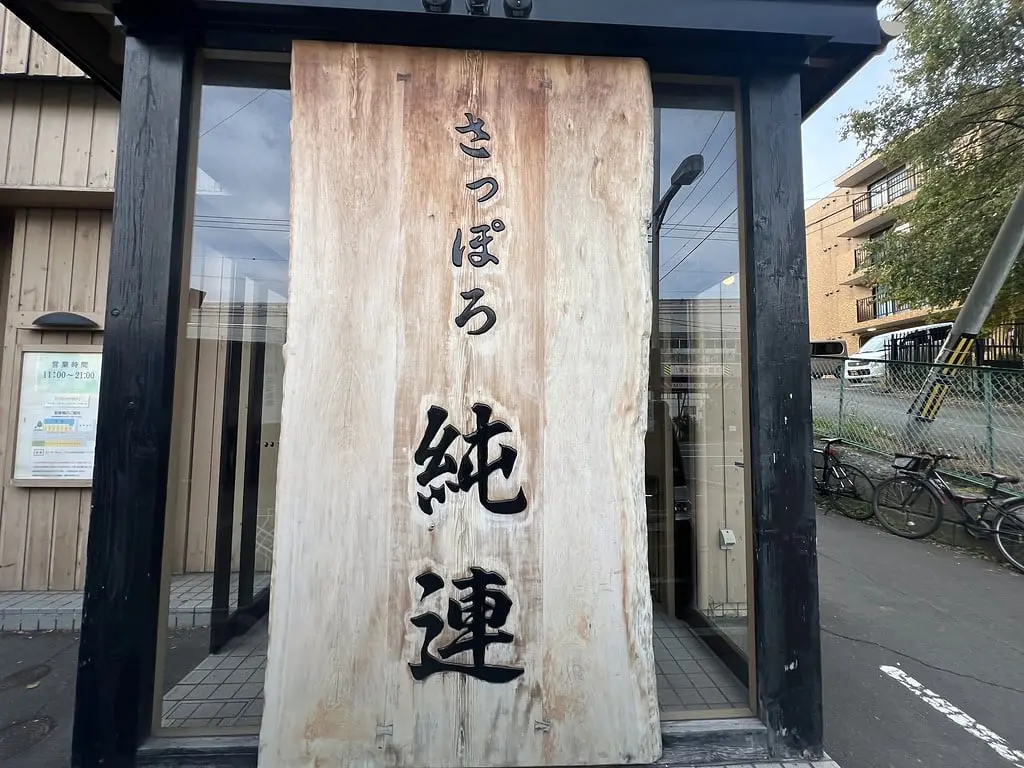
The sign outside Junren
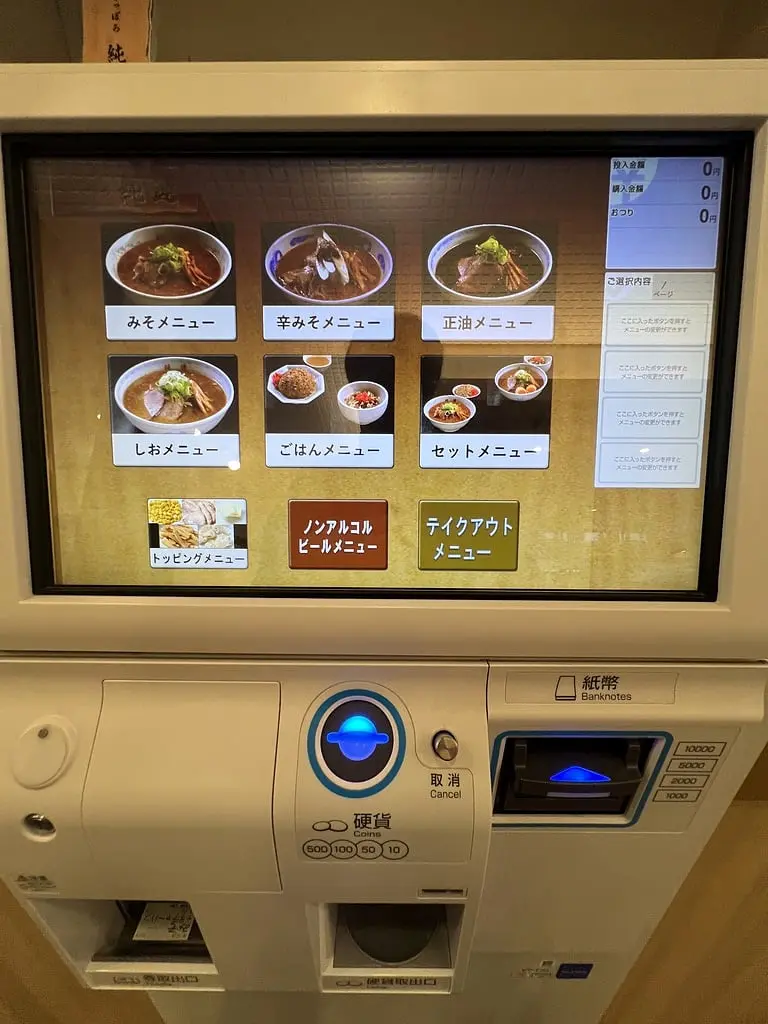
Ticket machine at the entrance
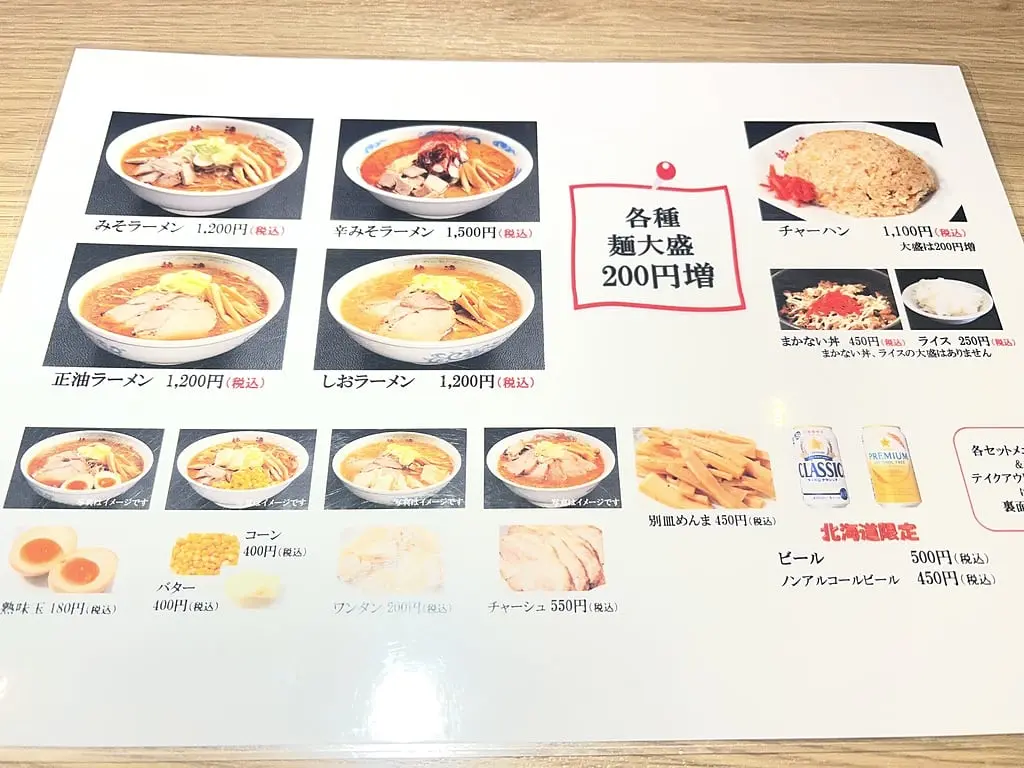
Ramen and rice menu photographed on this visit
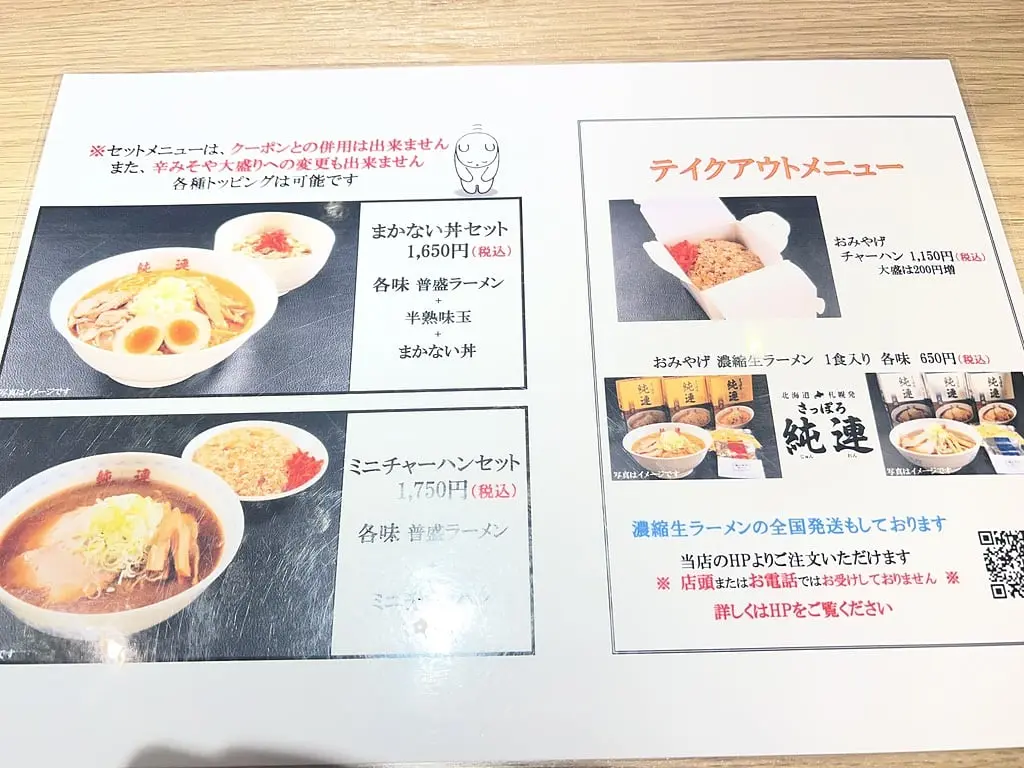
Set and takeaway menus photographed on this visit
Miso ramen
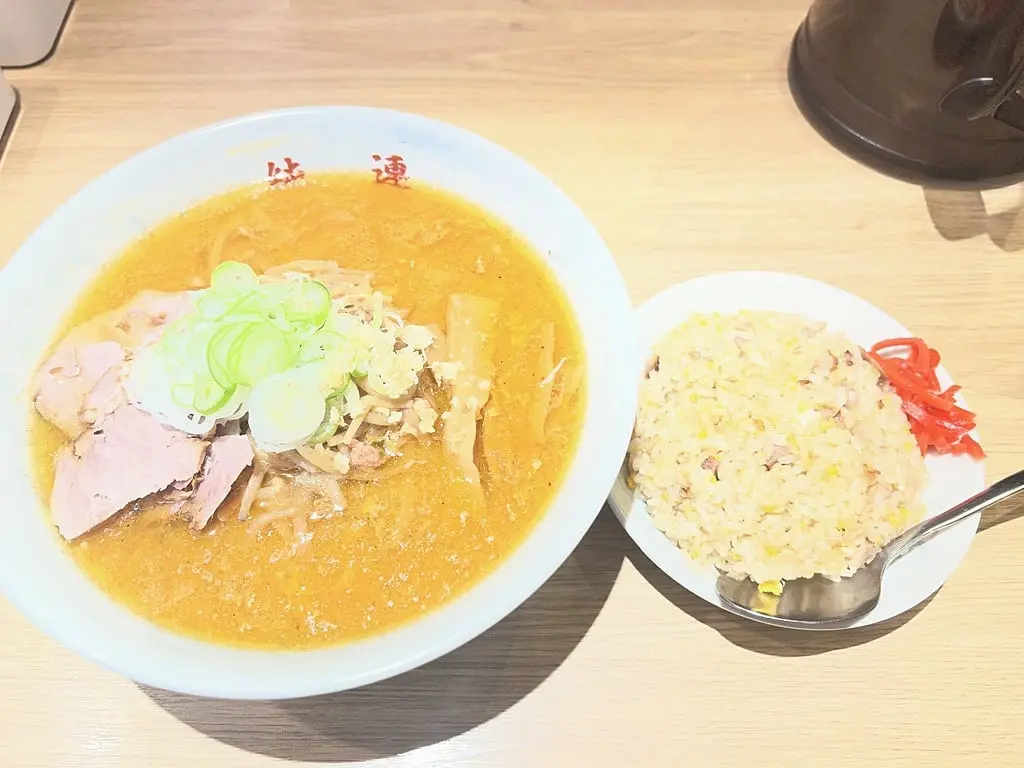
Miso ramen and half fried rice set
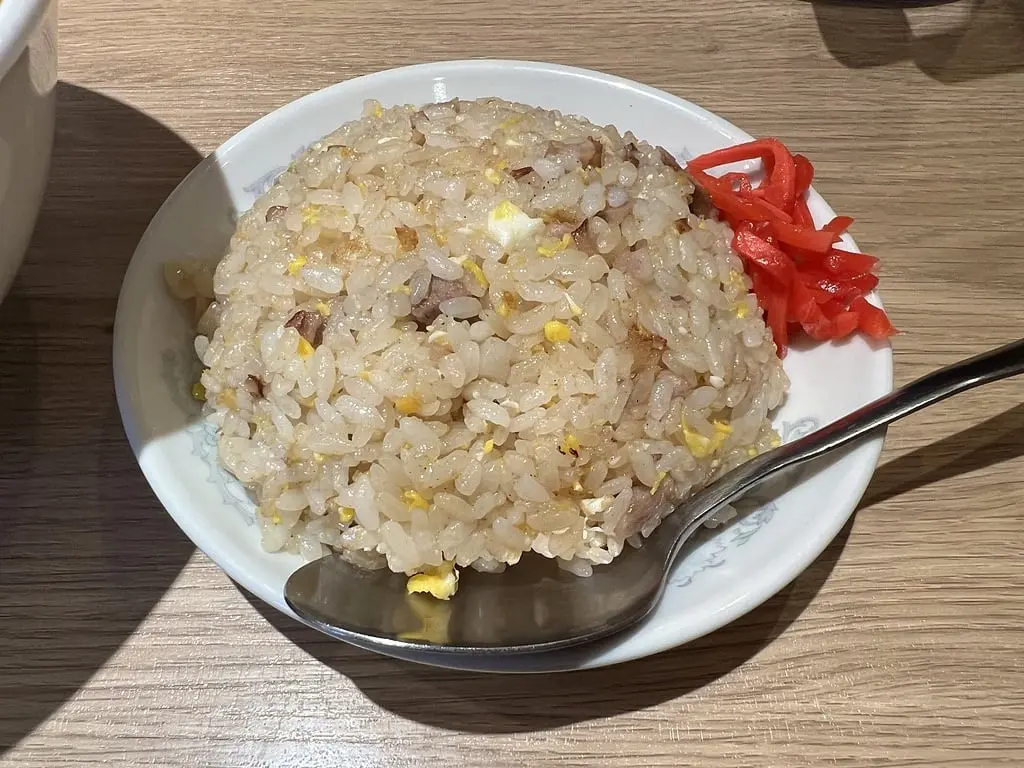
Half fried rice
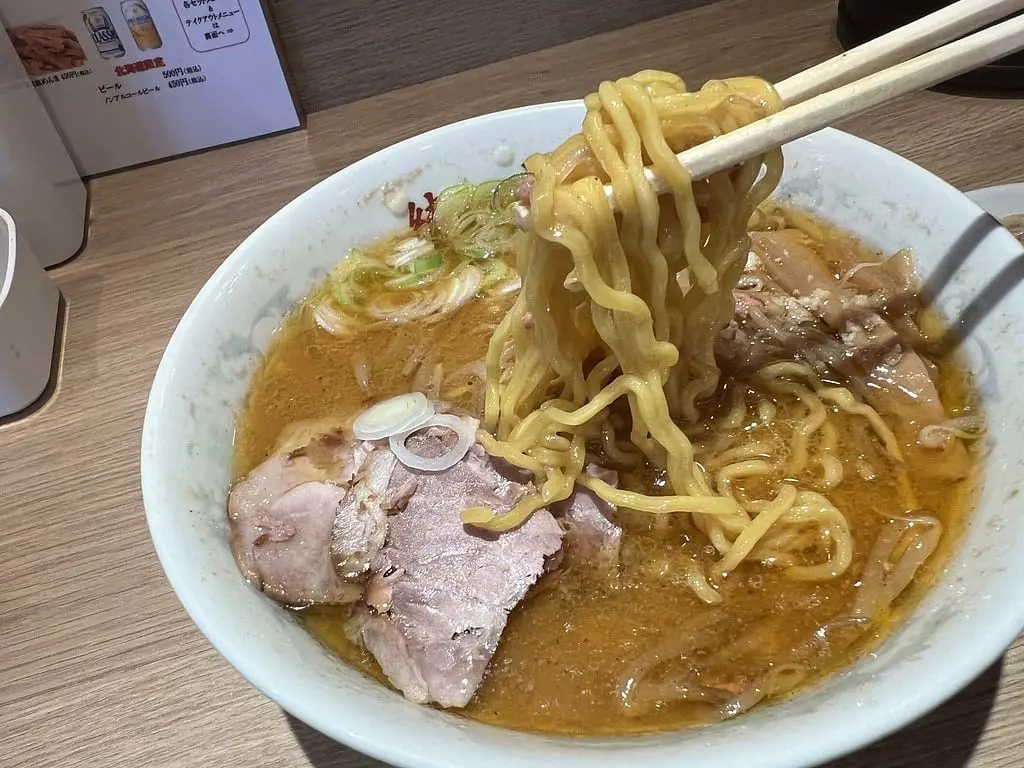
Yellow noodles lifted from the miso soup
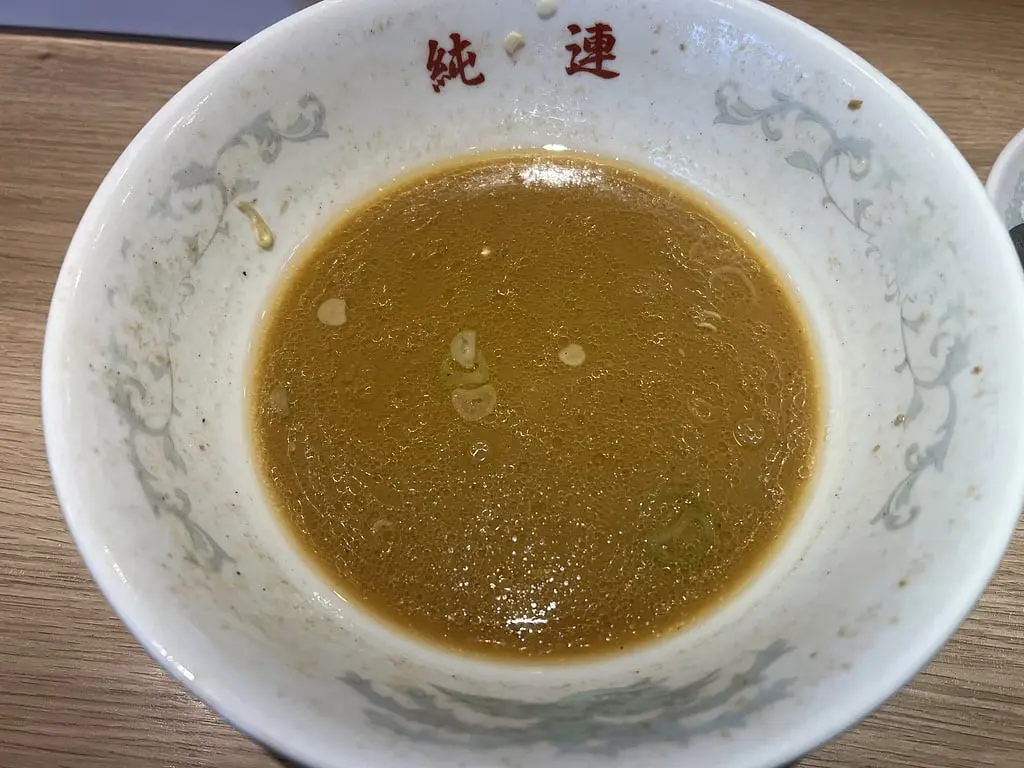
The bowl after the noodles were finished
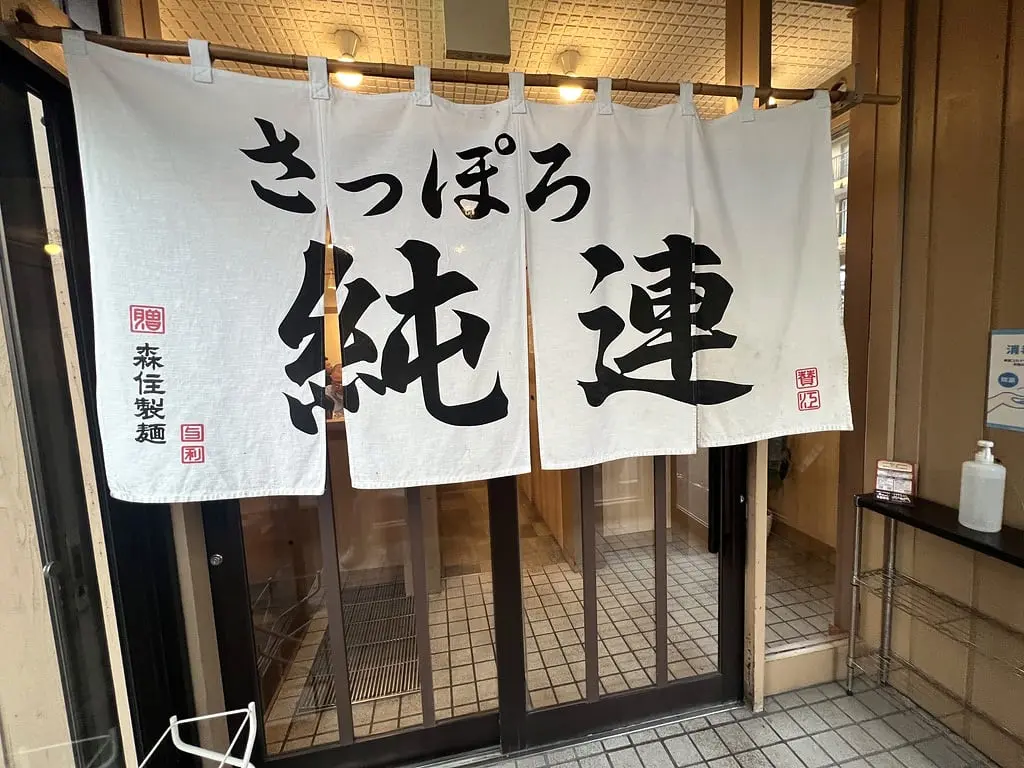
Noren curtain at the entrance
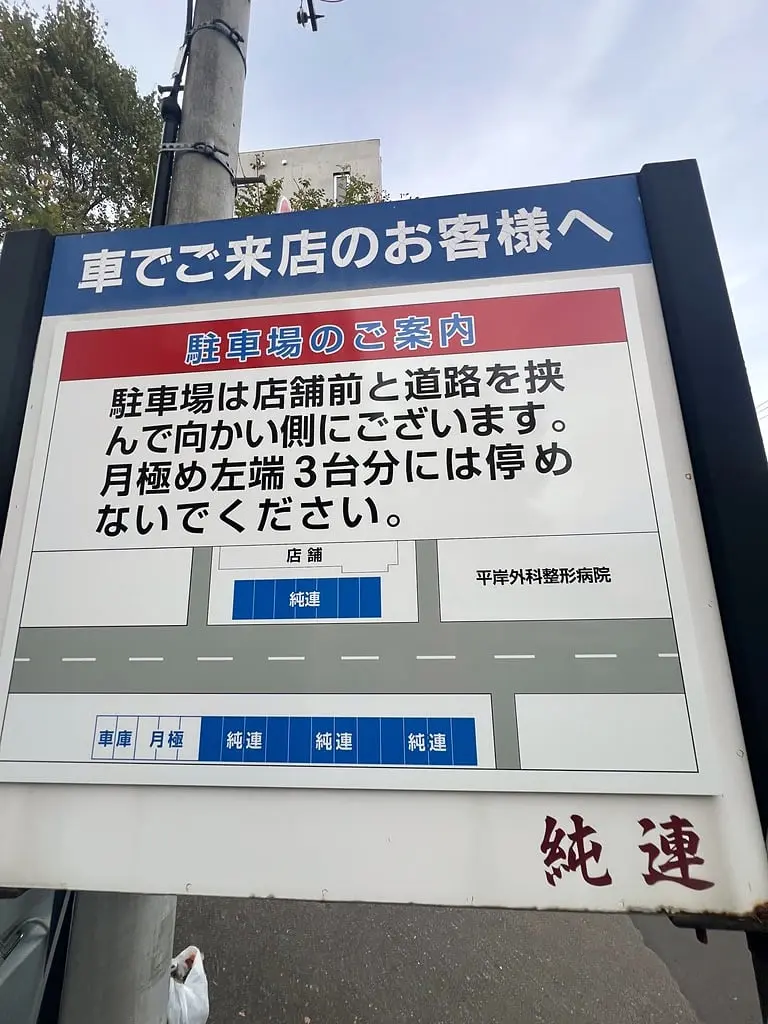
Parking guide photographed on this visit
- Taste
- A
- Hokkaido Feel
- S
- Value for Money
- B
- Access
- A
- HeritageSpecial
- S
S is the best and D the lowest.
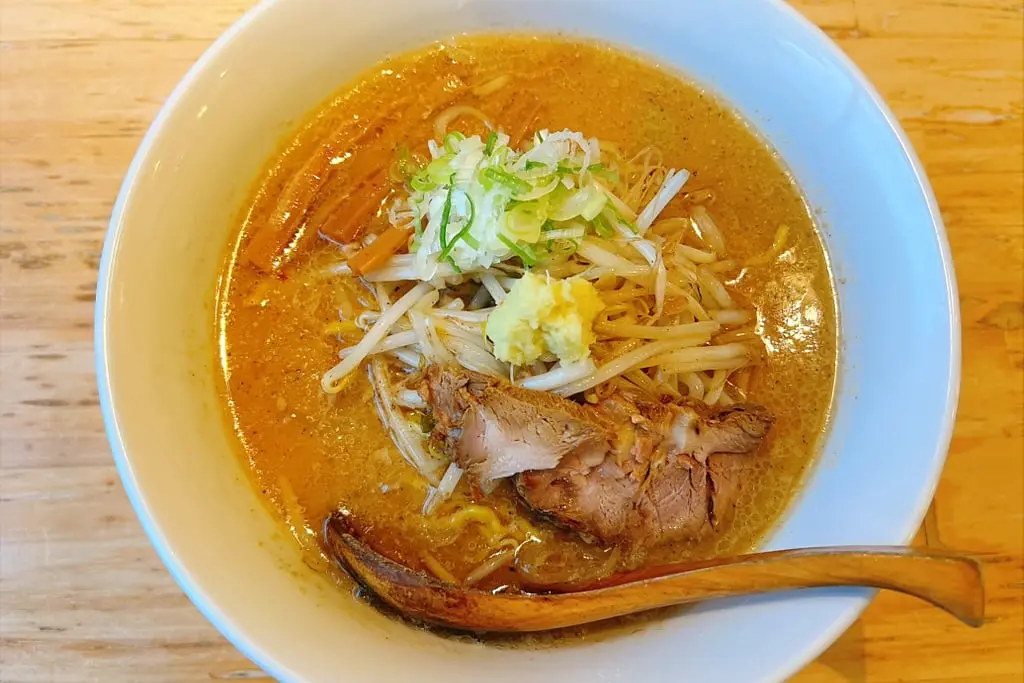 Hachinoki八乃木Sapporo AreaIf you're nearby, you can't go wrong
A miso ramen shop from the Sumire lineage, one of the most famous names in Sapporo miso ramen. It's in a residential area of Hassamu, near AEON Hassamu.
I arrived around 5:10 pm on a Tuesday (a national holiday), just after the 5 pm opening. There were already about five people at the counter and customers at the tables too. By around 5:30 pm it was full, so I recommend going early.
There are counter seats and table seats, so it's easy to come with family. First, buy a ticket from the machine at the entrance. Cash only.
This time I had the Miso Ramen (¥1,200). For a Sumire-style shop, the miso soup is on the lighter side and not too rich. Grated ginger sits on top, and stirring it in halfway lets you enjoy a change of flavor. The noodles are the yellow, curly kind typical of Sapporo. The chashu was tasty too, and next time I'll order the chashu-men.
I gave it one star because, as a fan of tonkotsu, thin noodles, and rich flavors, I found it a solid, classic miso ramen. The price also felt a little high.
By the way, I went by car (parking available). The parking lot is a bit tricky, so be careful.(Added October 2026)
Visit log
- September 22, 2026 (Tue, holiday)Arrived 17:10, about 5 people at the counter, full by about 17:30. Miso Ramen
- Closed
- Thursdays
- Hours
- 11:00–15:00 / 17:00–19:30
- Budget
- Miso ramen¥1,200
- Access
- About 10 min walk from Miyanosawa Sta. (Tozai Line) / about 9 min from JR Hassamu Sta.
- Good to know
- Cash only (ticket machine)
- No English menu
- Kid-friendly (table seats)
Wait timeThere can be a line at lunch. Right after opening is usually the easiest time.
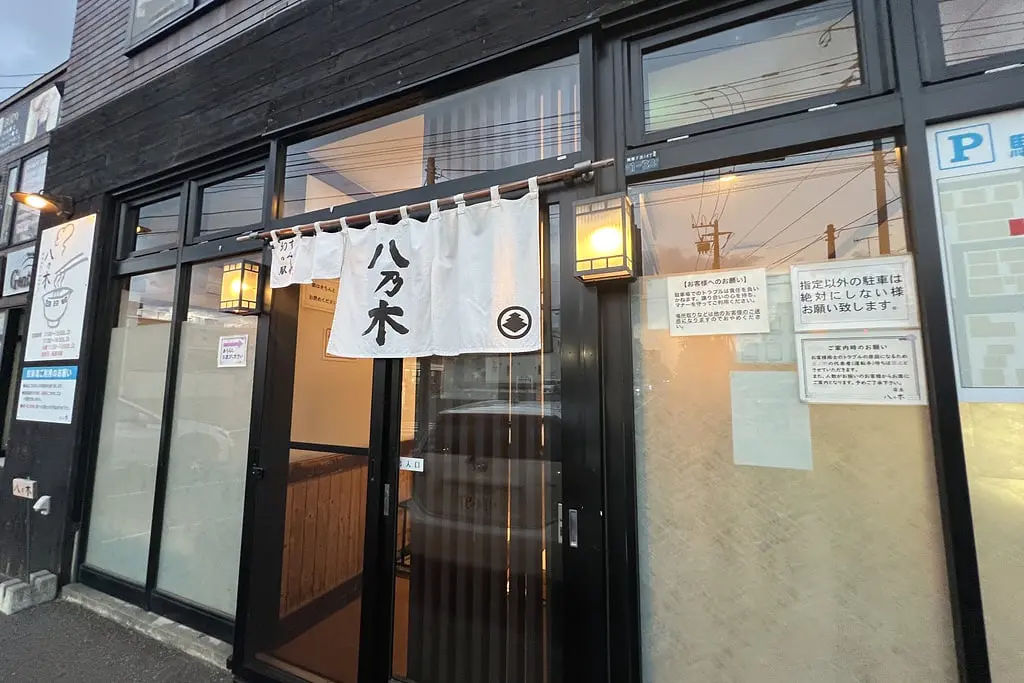
The shop from the street
Miso ramen
- Taste
- B
- Hokkaido Feel
- A
- Value for Money
- B
- Access
- B
- Flavor Twist (ginger)Special
- S
S is the best and D the lowest.
 Men Shoki麺 鍾馗Sapporo AreaIf you're nearby, you can't go wrong
Men Shoki, near Kita 24 Jo Station, opened in Sapporo in January 2022. Its owner, Mr Nakano, previously founded Seabura no Kami in Kyoto. The shop was selected for Tabelog’s Hokkaido Ramen Top 100 in 2024 and 2025. I came to try something different from classic Sapporo miso ramen.
I arrived around 2:15 pm on Monday, 26 October 2026. I sat down without queuing, although roughly 80% of the seats were occupied even at that hour. Quite a few people around me were ordering ramen rather than tsukemen, noodles served with a separate dipping broth.
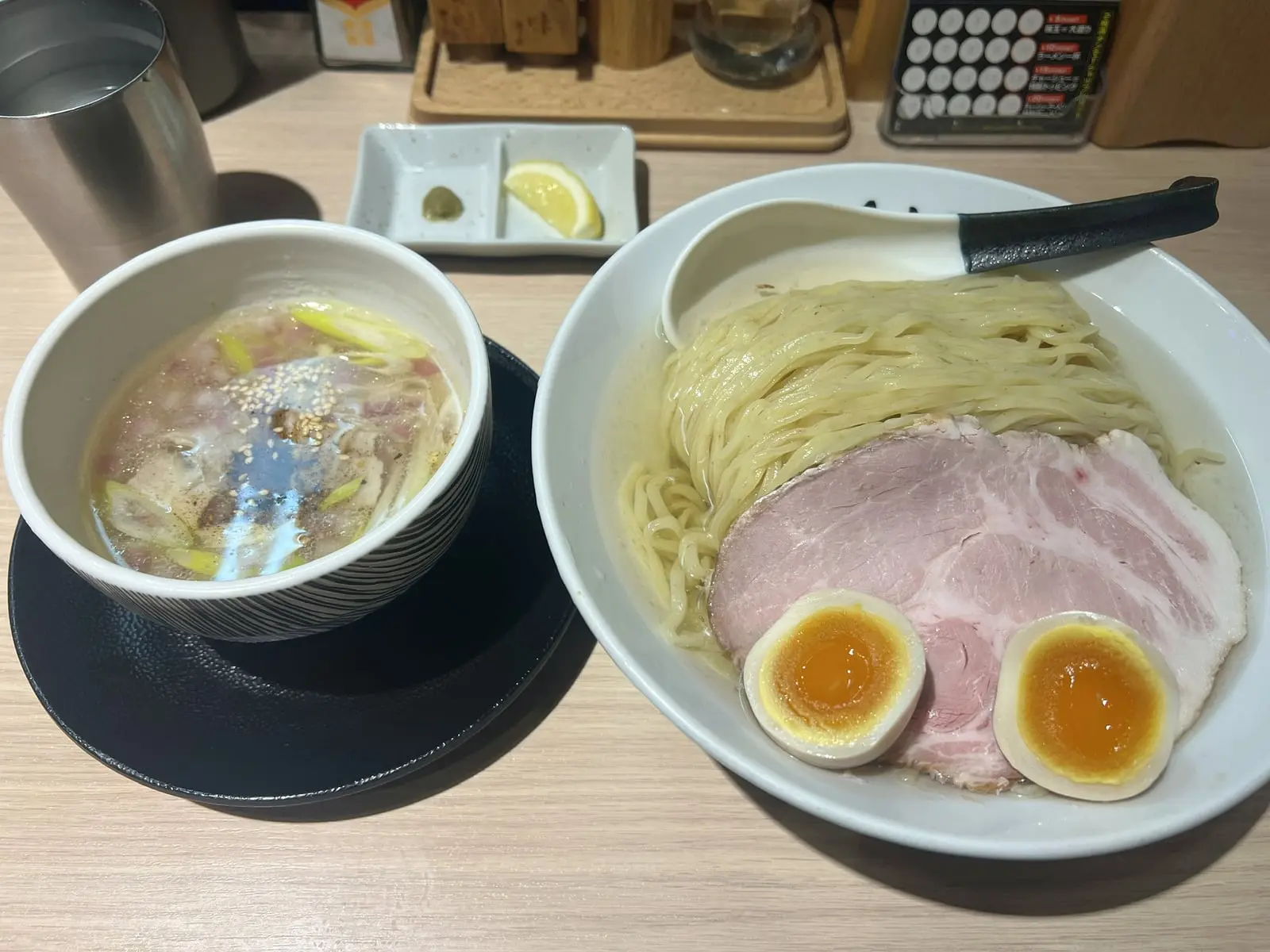
Buy a meal ticket from the machine to order. The machine and notices were mainly in Japanese, and I paid in cash. I ordered Hokkaido Sandai Kombusui Tsukemen for ¥1,600, plus ¥150 for a large portion: ¥1,750 in total. It arrived around 2:25 pm, about ten minutes after I sat down. These were the prices on my October 2026 visit.
For ramen fans looking for a different style, my suggestion here is the kombu-water tsukemen I tried. Ramen was also available, but I did not try it on this visit and cannot judge it.
The dipping broth tasted salty, with a clear stock flavour, without being overwhelmingly strong. I noticed pepper too. Yuzu kosho, a citrus-and-chilli condiment, was served alongside. As I ate, the kombu water carried by the noodles gradually diluted the dipping broth.
The flat noodles sit in kombu-infused water. A staff member told me to taste the noodles on their own before dipping them. The delicate kombu umami made them enjoyable just as they were. Lemon was served alongside too.
The onion was crisp and refreshing. The large, thin slices of chashu pork reminded me of ham. Overall, I felt the toppings let the ingredients’ natural flavours come through.
I gave it one star because I found it tasty and original, but it would not be a reason for me to travel a long way on its own. I would recommend it if you are nearby. It is a stylish bowl built around kombu umami, a salty dipping broth and the ingredients’ natural flavours. At ¥1,750 for the large portion, though, it felt expensive compared with my usual ramen meals in Sapporo. For overseas visitors coming to Sapporo for the first time, I would suggest trying a classic local ramen first. This is more for people already familiar with Japanese ramen, or those looking for a new style.
I used a nearby paid car park. A notice outside the shop on my visit offered a choice of extras when showing a parking ticket, but I did not use the service. Check the current terms and availability with the staff.(Added October 2026)
Visit log
- October 26, 2026 (Mon)Arrived around 14:15, seated without a queue; served around 14:25. About 80% full. Hokkaido Sandai Kombusui Tsukemen, large portion (¥1,750 total).
- Address
- North 26, 1F, 1-chome 2-25 Kita 26-jo Higashi, Higashi-ku, Sapporo
- Closed
- Tuesdays and occasional other days (notice photographed on my visit; check current information before travelling)
- Hours
- 11:00–15:30 / 17:00–20:00 (notice photographed on my visit)
- Budget
- Hokkaido Sandai Kombusui Tsukemen (October 2026 visit)¥1,600
- Large portion+¥150
- My total¥1,750
- Access
- About 8 min walk from Kita 24 Jo Sta. (Namboku Line)
- Parking
- I used a nearby paid car park. The shop’s sign also listed two spaces for high-roof vehicles only. Check the current parking conditions on arrival.
- Good to know
- I paid in cash on this visit
- Ticket machine and notices mainly in Japanese
Wait timeNo queue around 14:15 on Monday, 26 October 2026. The food arrived about 10 minutes after seating.
- House rules
- Buy a meal ticket from the machine to order.
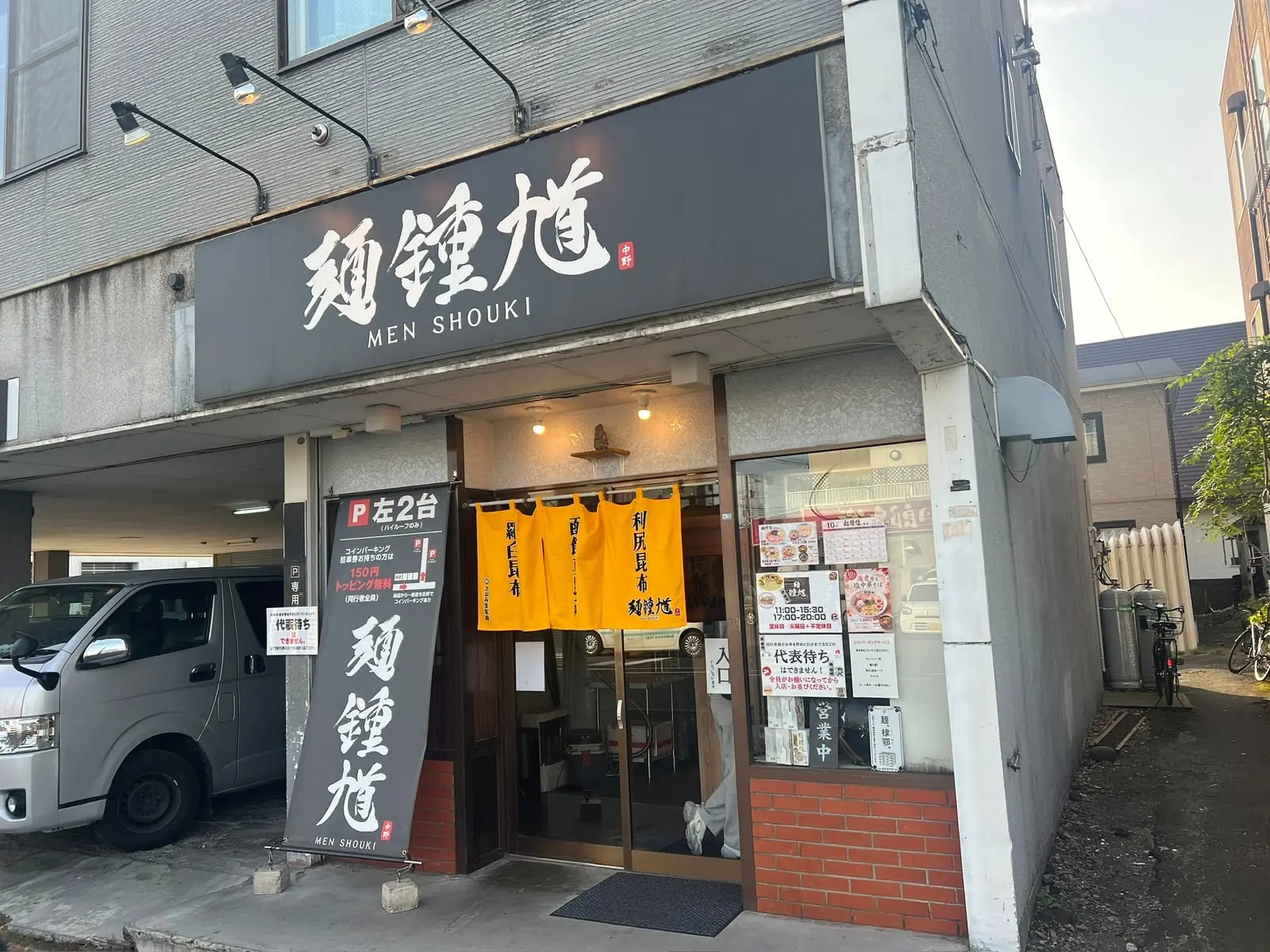
Men Shoki storefront
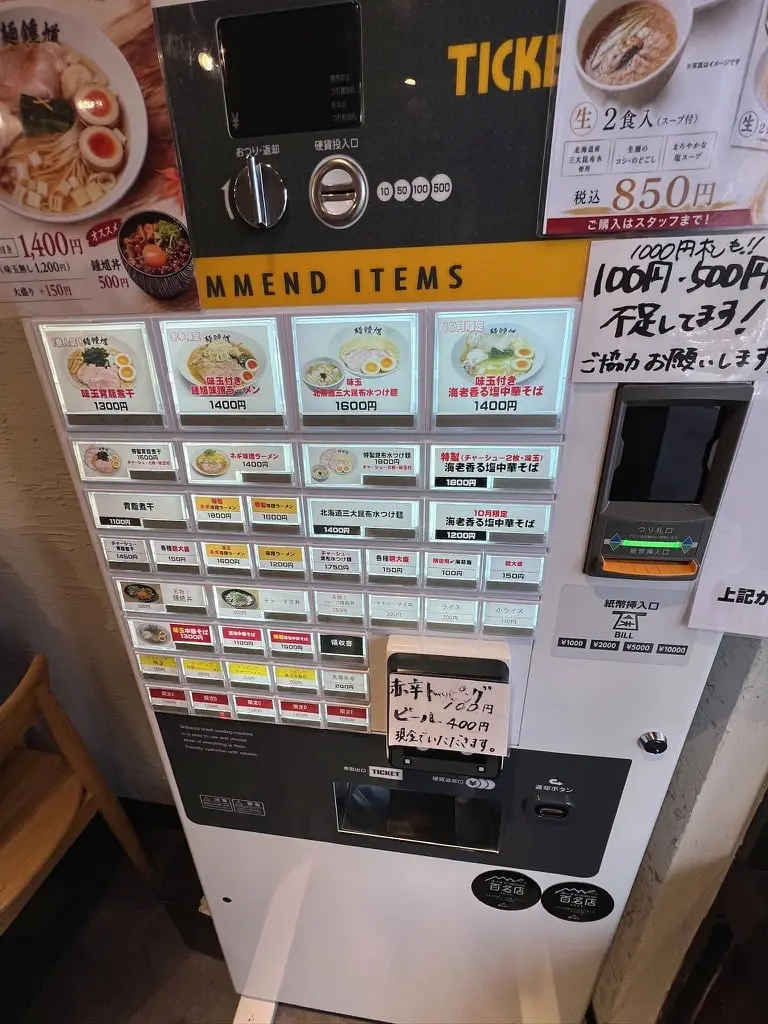
Ticket machine photographed on 26 October 2026
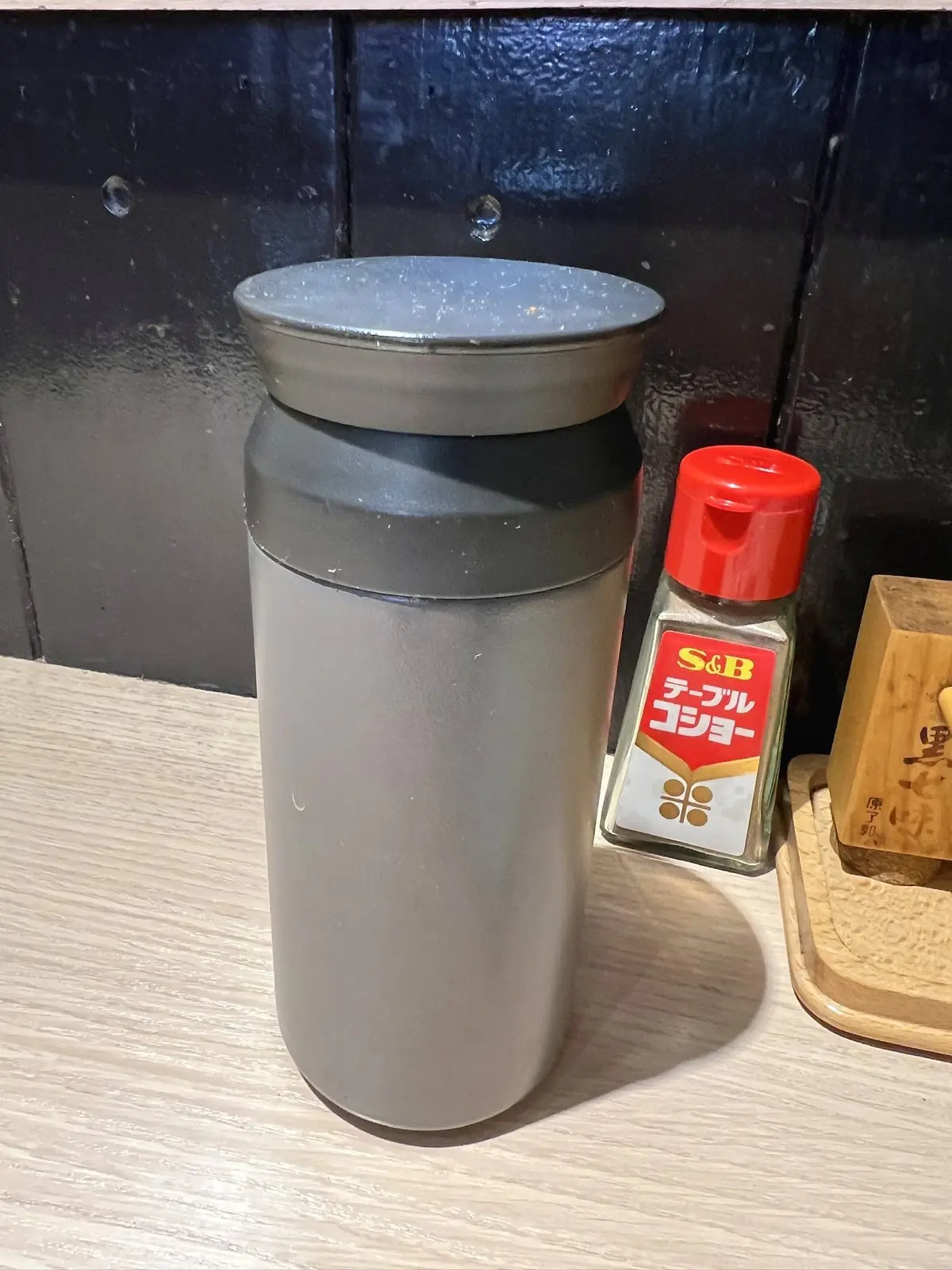
Container for soup-wari broth
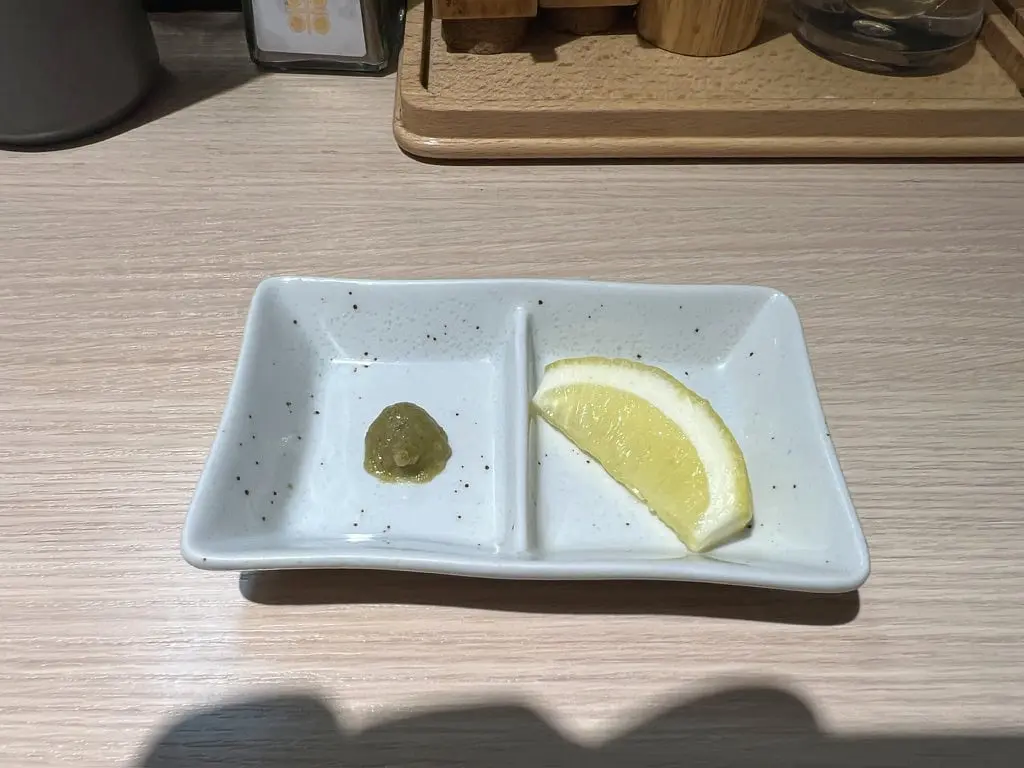
Lemon and yuzu kosho on a small plate
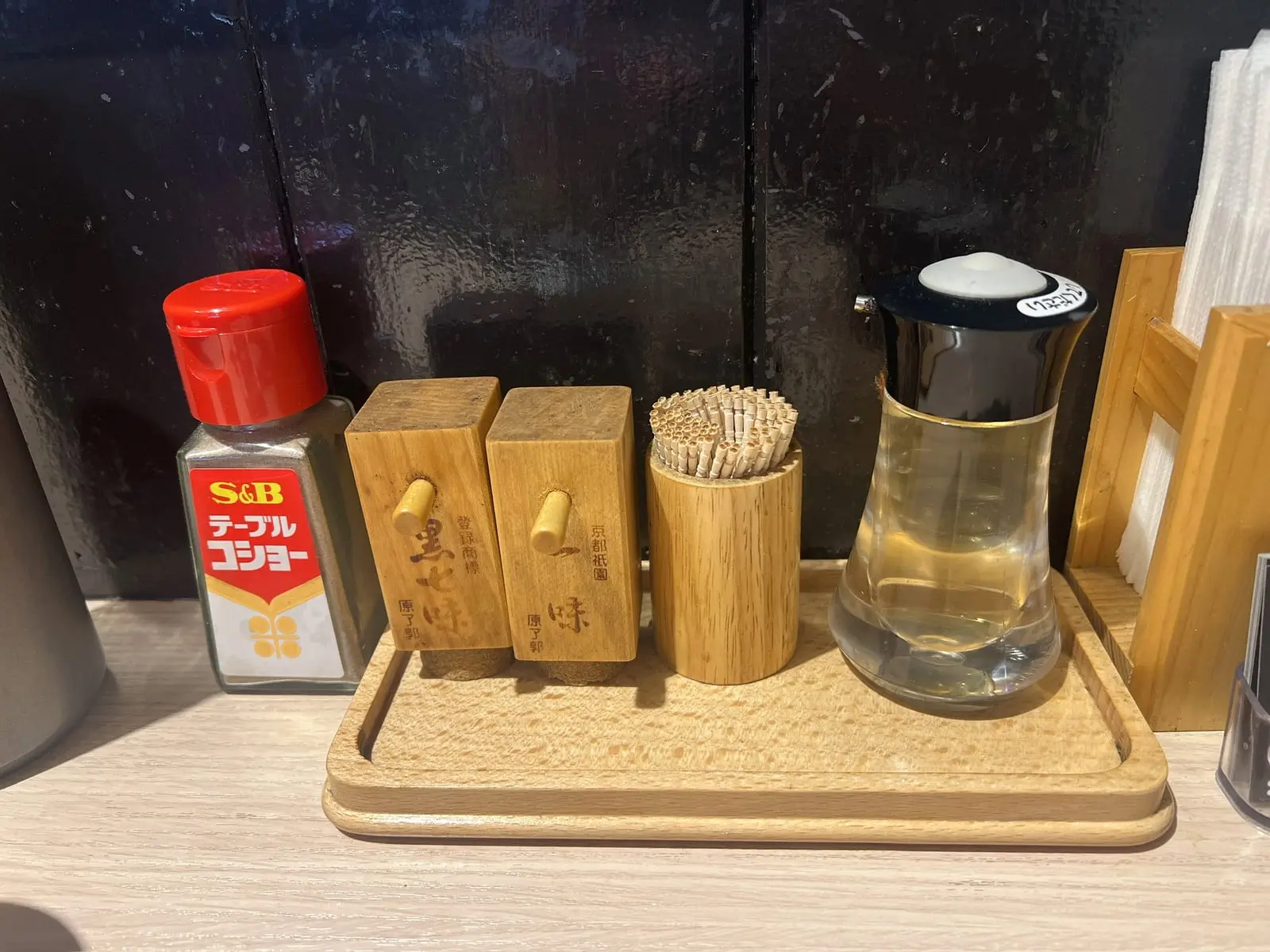
Seasonings on the counter
Hokkaido Sandai Kombusui Tsukemen
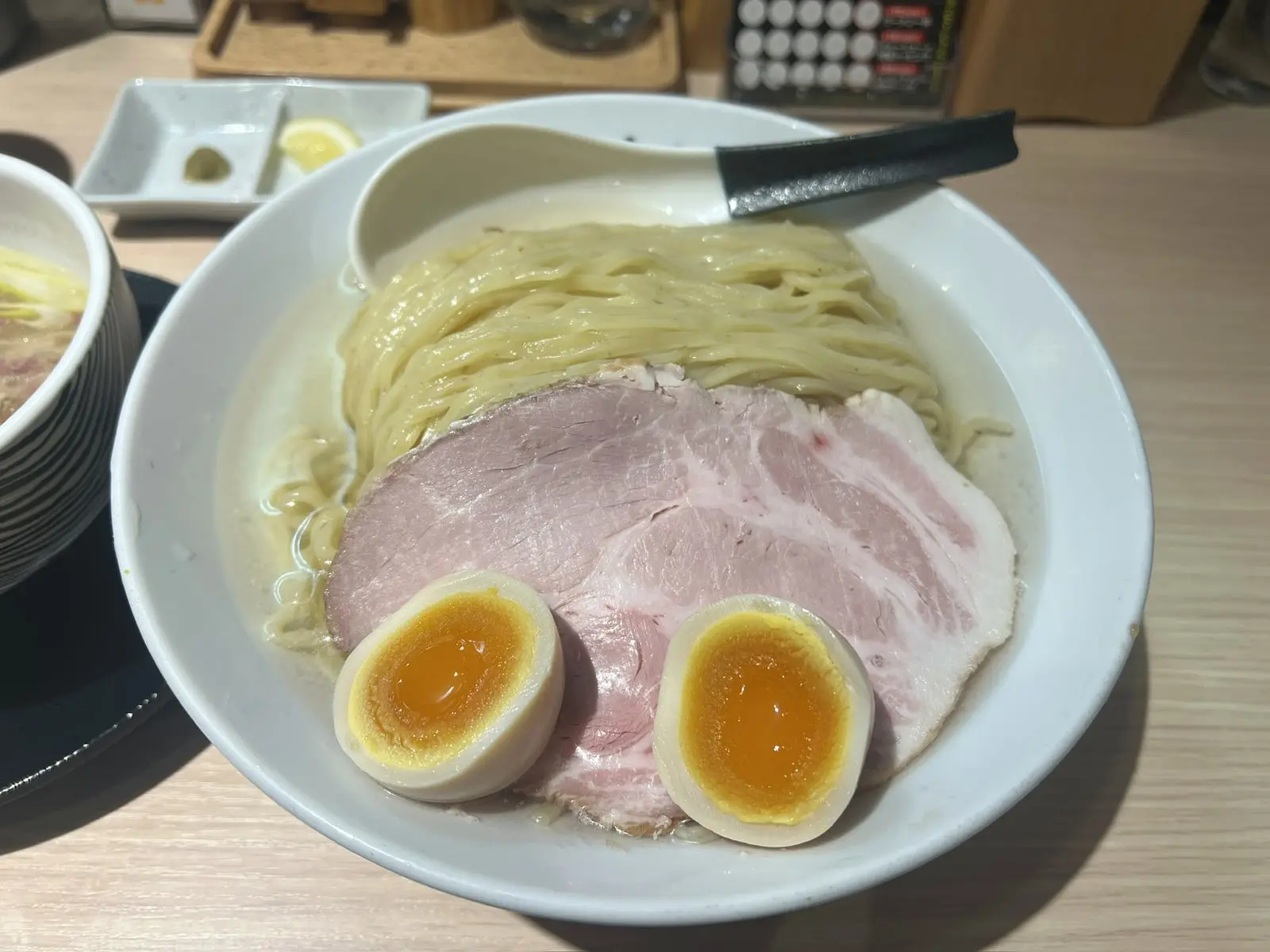
Noodles, chashu and egg in kombu water
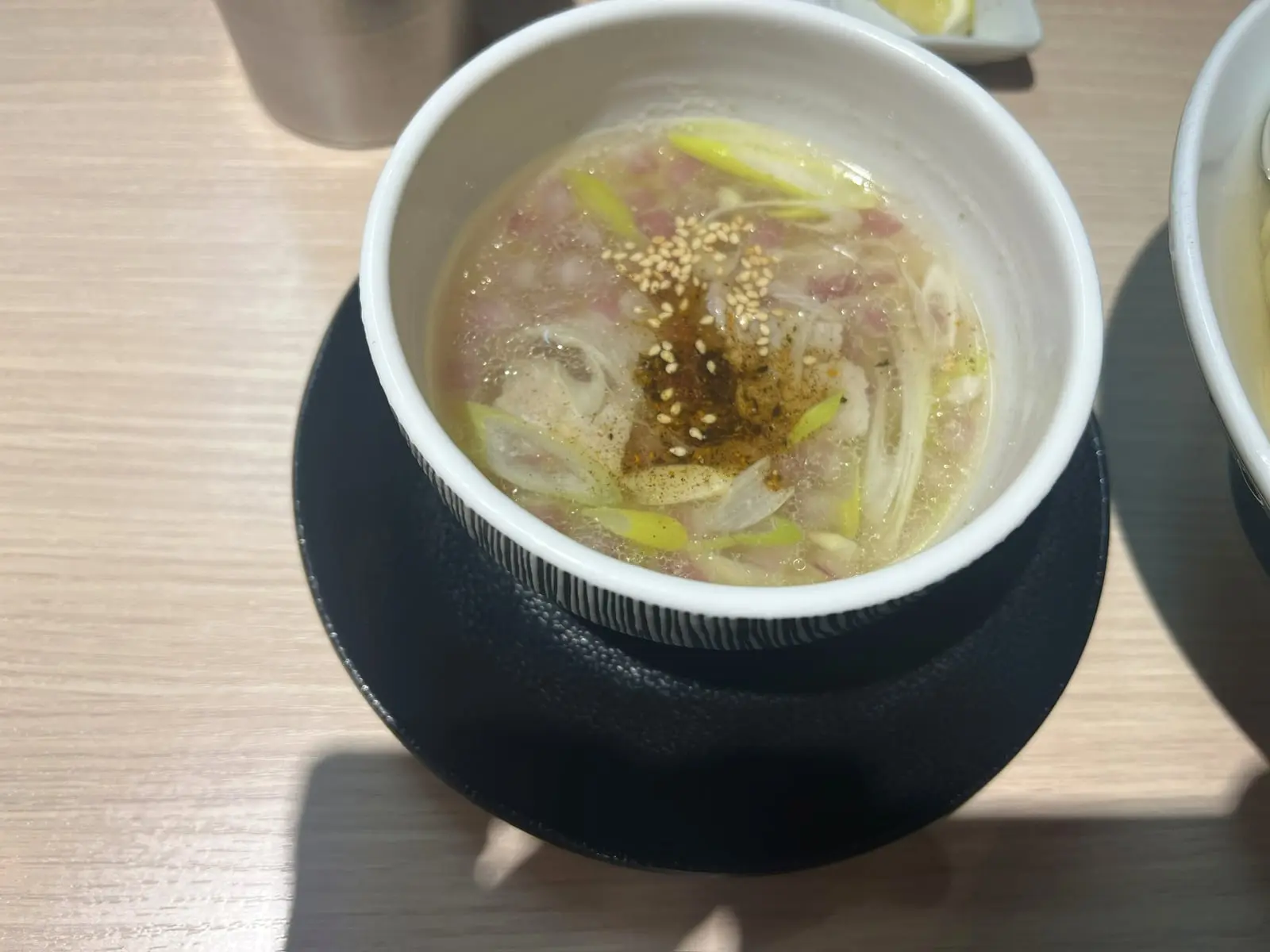
The dipping broth
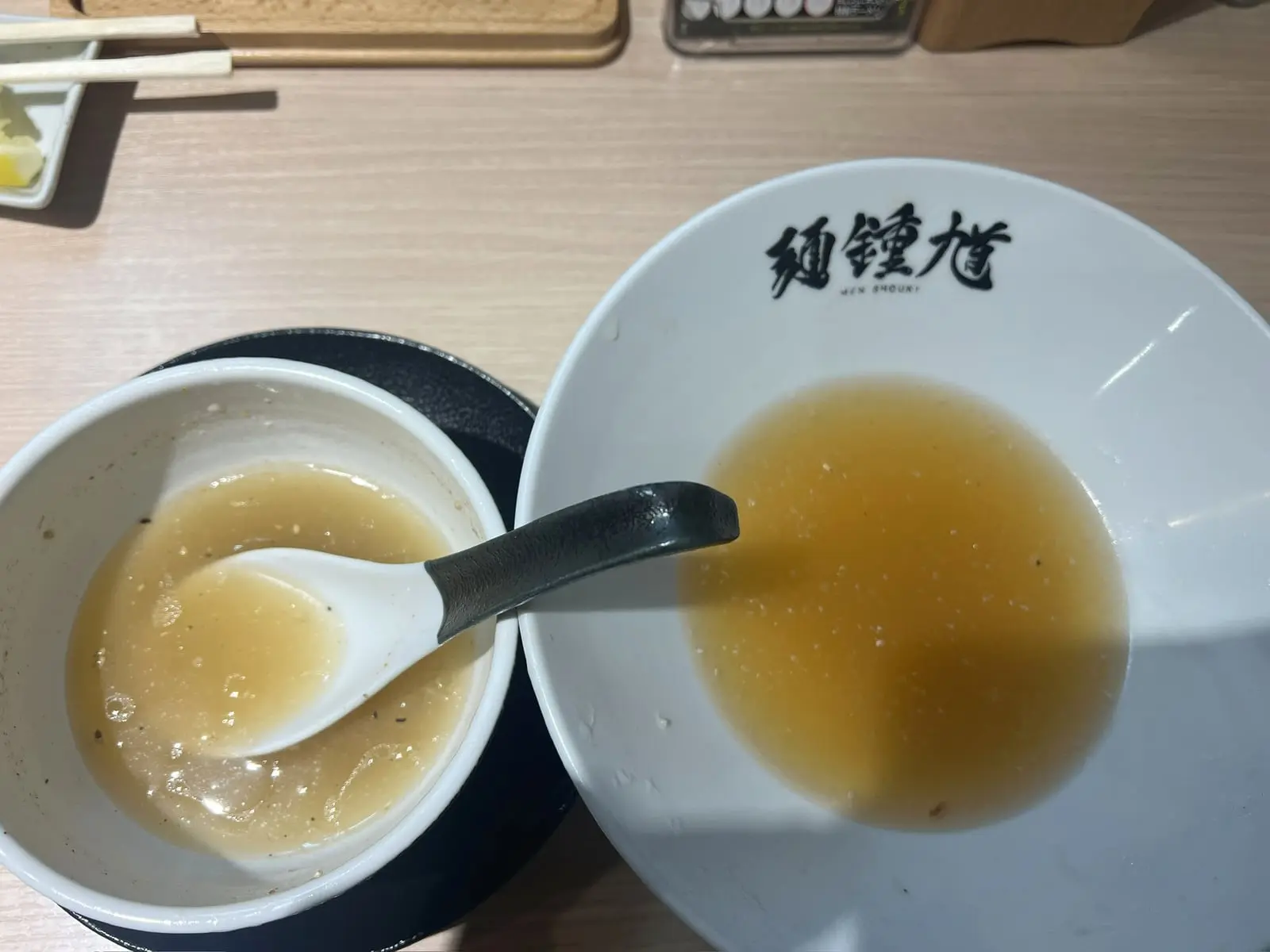
The bowls after the meal
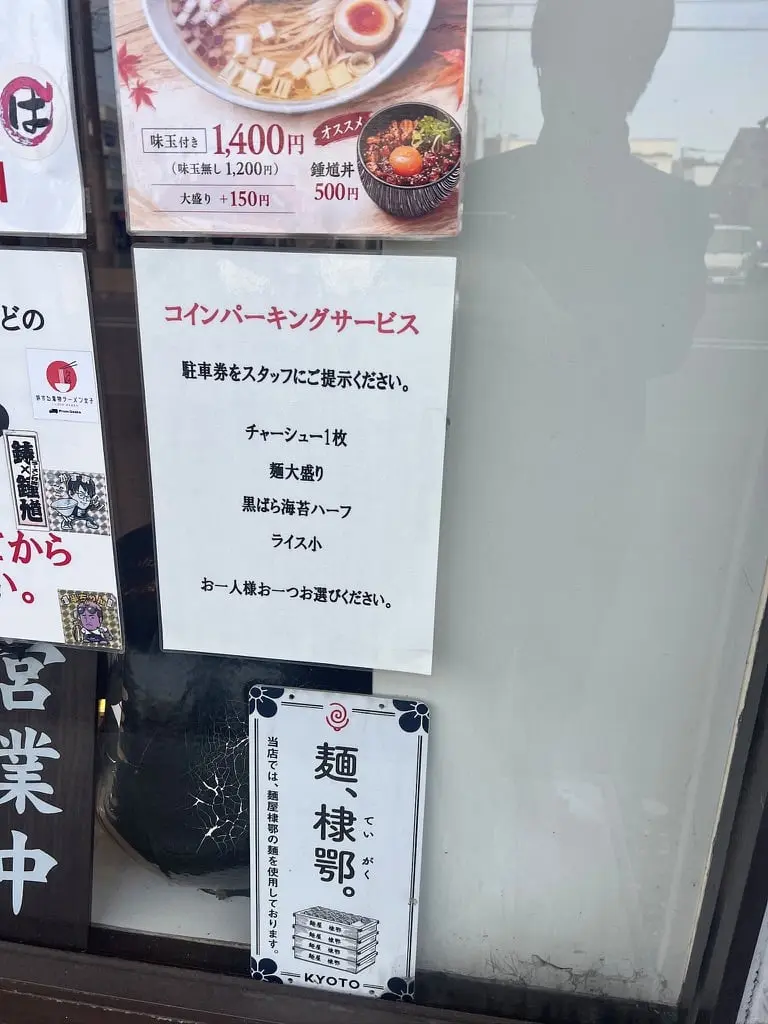
Coin-parking service notice photographed on this visit
- Taste
- BTasty, with delicate kombu umami and a salty dipping broth.
- Hokkaido Feel
- BThe kombu flavour felt connected to Hokkaido, although this is different from classic Sapporo ramen.
- Value for Money
- C¥1,750 for a large portion felt expensive compared with my usual Sapporo ramen meals (October 2026 visit).
- Access
- B
- Originality of kombu-water tsukemenSpecial
- S
S is the best and D the lowest.
Ski and snowboard lessons
LEARN TO SKI WITH 3F
After the ramen, hit the snow. Private ski and snowboard lessons in Sapporo with English and Chinese-speaking instructors, from first-timers to intermediate riders.
See lessonsPage last updated: October 28, 2026
Eat Like a Local Hokkaido top